
Important Sustainable Landscaping Tips for Homeowners

Sustainable landscaping is more than just a trend; it’s a commitment to preserving our planet for future generations. Homeowners are increasingly recognizing the importance of creating outdoor spaces that not only look beautiful but also support local ecosystems and conserve resources. From installing bird gutter guards to protect wildlife and prevent debris buildup to planting native species and exploring water-efficient gardening techniques, every small change contributes to a larger impact.
With simple yet effective strategies, you can transform your yard into an eco-friendly oasis. Ready to dig in? Let’s explore essential sustainable landscaping tips that will help you cultivate a greener home environment while enhancing your property’s charm.
Choose Native Plants
Choosing native plants is one of the easiest ways to promote sustainability in your garden. These species are adapted to your local climate, soil, and wildlife. This means they require less water and fewer resources to thrive. Native plants attract beneficial pollinators like bees and butterflies, fostering biodiversity right in your backyard. They also provide habitat for birds and other wildlife, creating a thriving ecosystem. By planting natives, you reduce the need for chemical fertilizers and pesticides that can harm both the environment and your health. Plus, these plants often have beautiful blooms that enhance the aesthetic appeal of any landscape.
Implement Xeriscaping Techniques
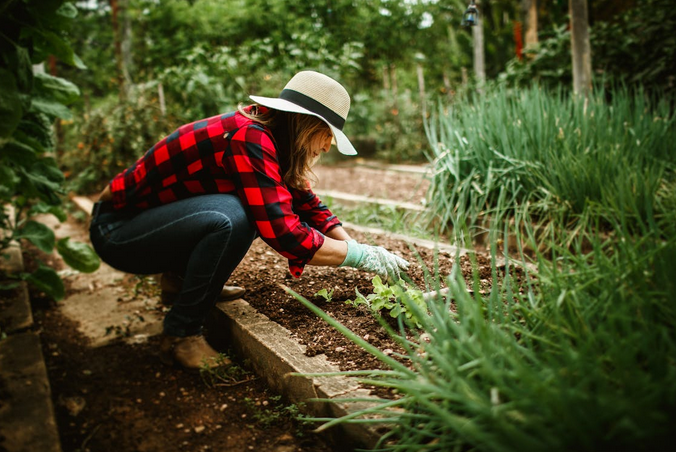
Xeriscaping is a smart approach to landscaping that conserves water without sacrificing beauty. By focusing on drought-resistant plants, homeowners can create lush gardens that thrive in arid conditions. Start by selecting plants suited for your climate. Native species often require less water and are more adaptable to local environments. Grouping these plants together not only looks appealing but also maximizes moisture retention. Incorporating mulch helps maintain soil temperature and reduces evaporation. It’s an easy way to keep weeds at bay while benefiting the garden.
Opt for Organic Gardening Practices
When it comes to gardening, organic practices make a significant difference. They promote healthier soil and reduce chemical runoff. This not only benefits your plants but also the local ecosystem. Start by using natural fertilizers like compost or well-rotted manure. These enrich the soil with essential nutrients without the harsh chemicals found in synthetic options. Pest control can be tackled through companion planting or introducing beneficial insects like ladybugs. These methods are effective and environmentally friendly.
Create a Rain Garden

A rain garden is a wonderful addition to any landscape. It’s designed to capture and manage stormwater runoff. This helps reduce erosion and pollution in nearby waterways. To start, choose a low-lying area of your yard that tends to collect water after heavy rains. Dig out a shallow depression where the water can pool temporarily. Next, layer in soil that promotes drainage. Native plants thrive here; they require less maintenance and attract local wildlife. Their deep roots help absorb excess water effectively.
Sustainable landscaping is not just a trend; it’s a lifestyle choice that benefits you and the environment. By incorporating native plants, you’ll create a habitat for local wildlife while enjoying reduced maintenance. Xeriscaping techniques can save water and time, making your garden more efficient. Making these changes may seem small but can have a significant impact on our planet’s health. Start with one or two tips from this guide and see how they transform your outdoor space into an eco-friendly haven. Your garden will flourish, and so will the environment around it.…

 When searching for the right architect, experience is key. An architect with years in the field brings valuable insights that can enhance your project. They’ve navigated various challenges and developed solutions that a newcomer might not anticipate. Specialization also matters. Some architects focus on residential buildings, while others may excel in commercial spaces or sustainable design.
 Effective communication is the backbone of any successful architectural project. An architect should convey ideas clearly and listen actively to your vision and concerns. Look for someone who encourages open dialogue. They should be approachable, making it easy for you to ask questions or share thoughts throughout the process. Regular updates are crucial as well. An architect who keeps you informed about progress, challenges, and changes helps build trust and ensures that everyone is on the same page.





 One of the most obvious ways to make your home more musical is to play
  Hanging a mirror opposite the door is another excellent way to make your home more musical. Mirrors reflect sound, so they can help to amplify the music in your home and make the room feel larger. This is an excellent tip if you have a small room that you want to make appear more significant.