
Why Updating Your Flooring Can Change the Entire Feel of a Home
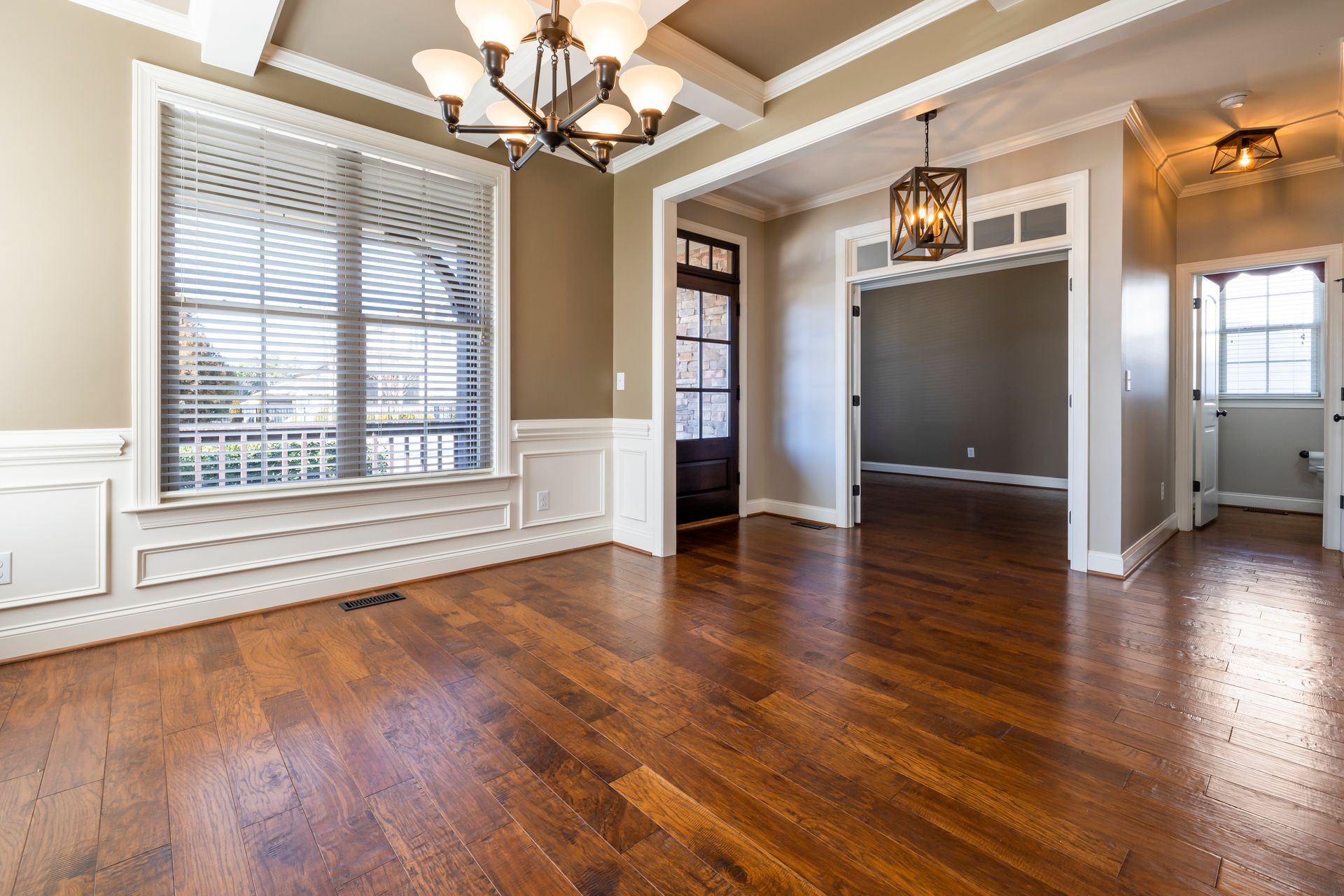
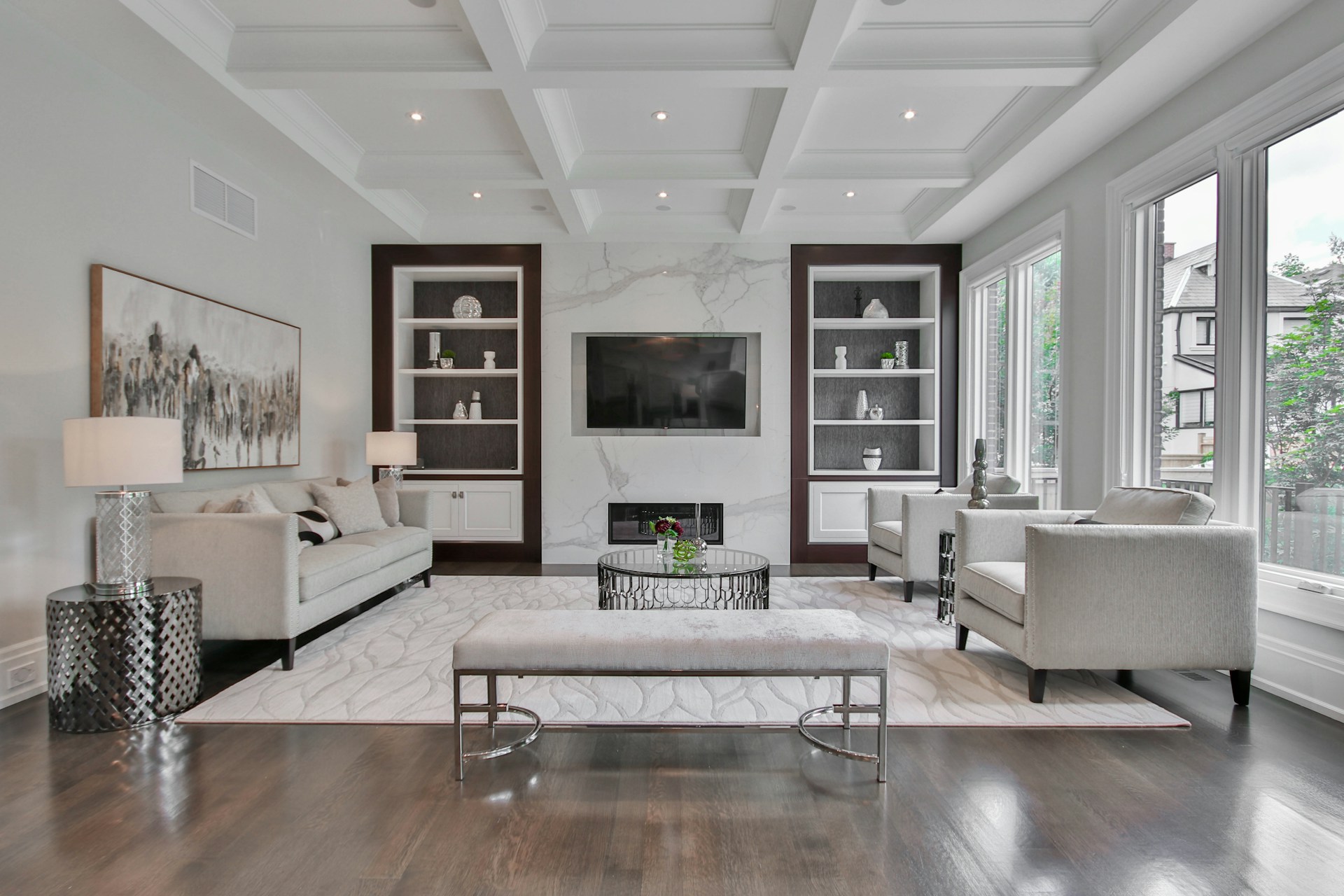
Few home improvements have as much visual impact as replacing old flooring. Floors cover a large portion of every room, making them one of the first features people notice when they enter a home. While wall colors, furniture, and decorations contribute to interior design, flooring creates the foundation that ties everything together. Jolie highlights how coordinated finishes and carefully selected materials can completely refresh an interior’s appearance. Worn surfaces, outdated materials, or mismatched finishes can make even well-decorated spaces feel tired. On the other hand, updated flooring gives rooms a cleaner, brighter, and more cohesive appearance. Whether homeowners choose hardwood, luxury vinyl, tile, or engineered wood, the right flooring influences both style and everyday comfort.
Refreshing Interior Appearance
Flooring has a strong influence on the overall appearance of a room. Since it extends across the entire space, it creates a continuous visual surface that connects every design element. Older flooring often shows scratches, fading, stains, or signs of long-term wear. These imperfections can make a room appear older than it actually is. Replacing worn materials with updated finishes immediately creates a fresher look. Modern flooring options also offer a wide variety of colors, textures, and patterns. Homeowners can choose finishes that complement contemporary, traditional, or transitional interiors. A carefully selected floor brings balance to the room while helping furniture and decorative features stand out more naturally.
Improving Everyday Comfort
A home’s appearance is important, but comfort matters just as much. Flooring directly affects how people experience a space every day. Different materials provide different levels of warmth, softness, and sound control. Engineered wood and luxury vinyl often feel warmer underfoot than older tile surfaces. Carpeting can reduce noise in bedrooms, while properly installed hard flooring creates a stable walking surface that is easy to maintain. Updated flooring also eliminates uneven sections, loose boards, or damaged materials that may develop over time. Walking through the home becomes more comfortable because every room feels solid, clean, and well maintained. These practical improvements enhance everyday living beyond simple visual appeal.
Creating Better Design Flow
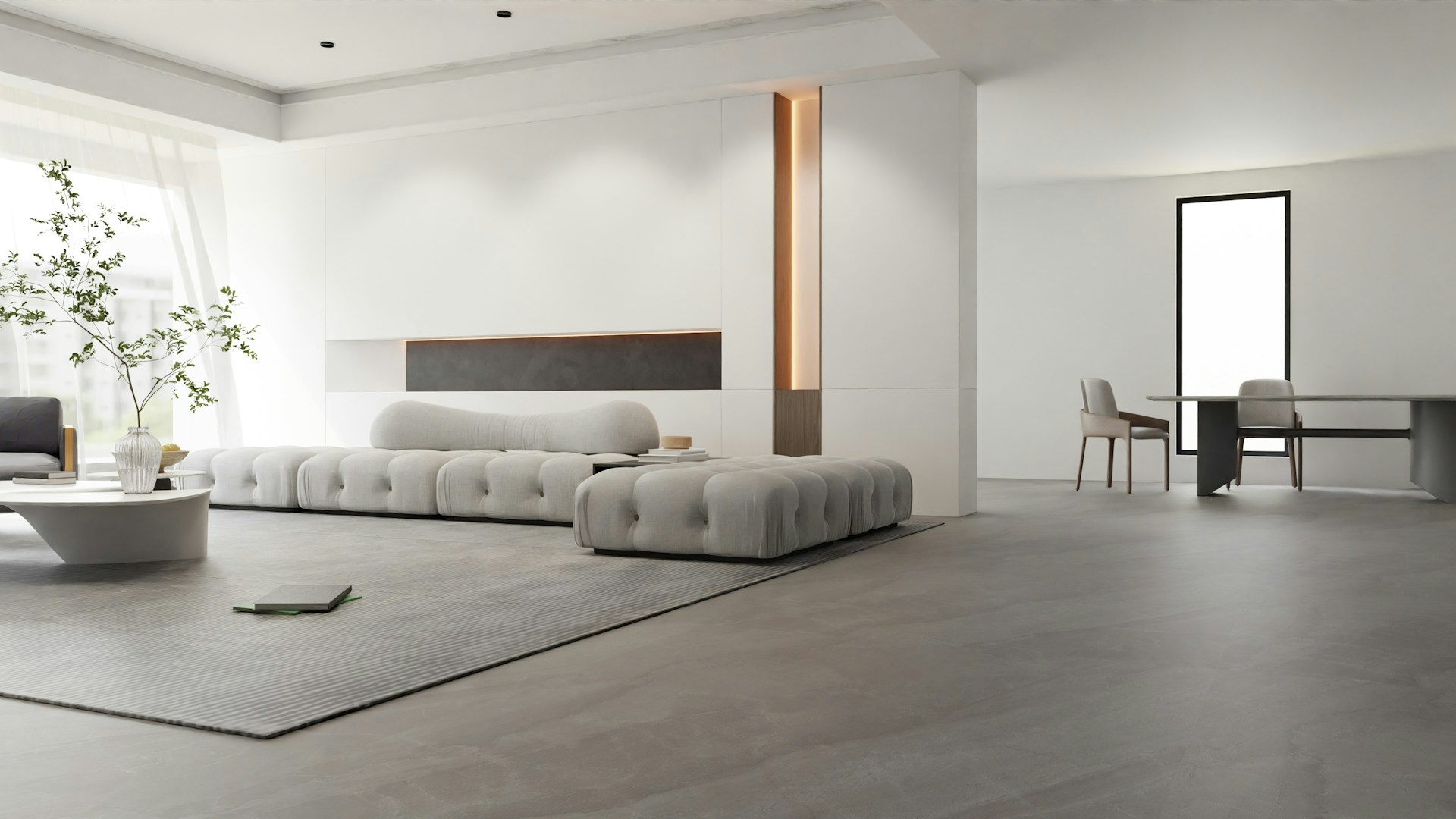
Many modern homes feature open layouts where several living areas connect without full walls separating them. Flooring plays an important role in creating visual continuity throughout these spaces. Using consistent flooring across connected rooms helps the home feel larger and more organized. Instead of abrupt transitions between different materials, continuous flooring guides the eye smoothly from one area to another. This creates a stronger sense of flow throughout the house. Even in homes with separate rooms, coordinating flooring styles improves overall design harmony. Matching finishes allows each room to feel connected while maintaining its own purpose. Good flooring choices support the entire interior rather than competing with it.
Supporting Easier Maintenance
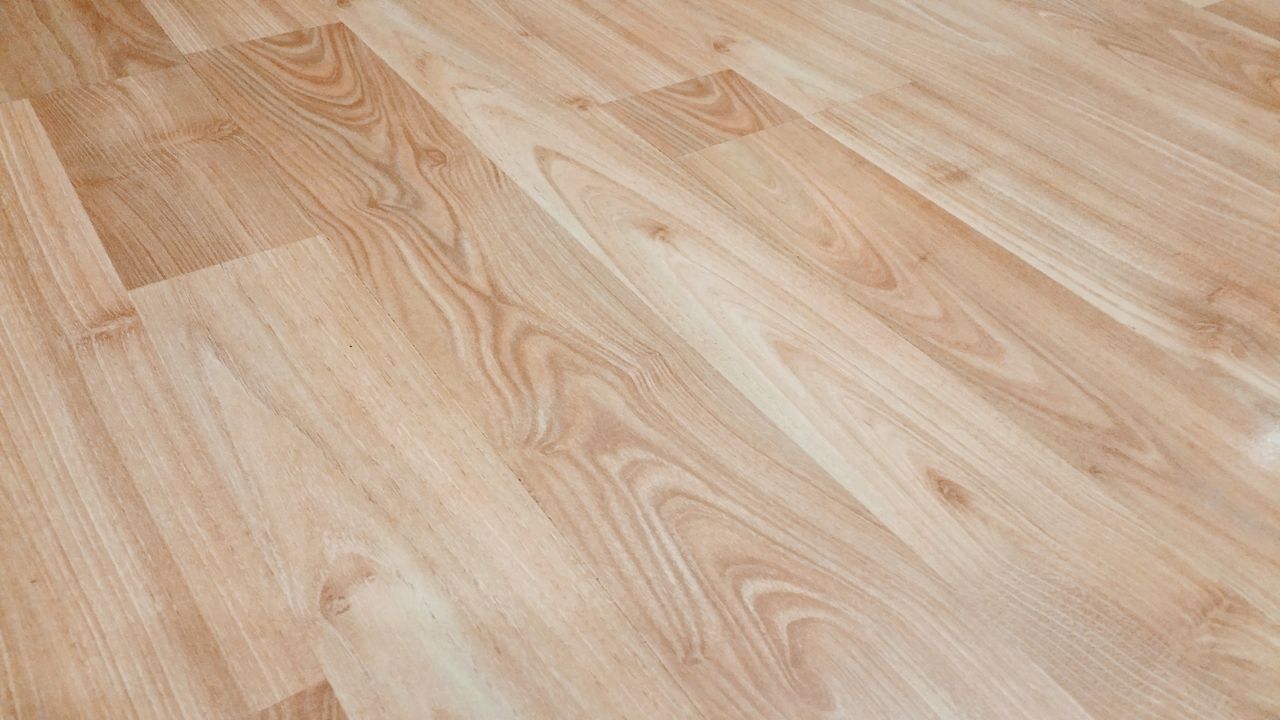
Homeowners often consider long-term maintenance when choosing flooring materials. Modern products are designed to simplify cleaning while resisting everyday wear. Many contemporary flooring options resist scratches, moisture, and stains better than older materials. Luxury vinyl planks, porcelain tile, and engineered hardwood require relatively simple maintenance compared with some traditional surfaces. Cleaner floors also contribute to healthier indoor environments. Smooth surfaces collect less dust than damaged flooring and are easier to keep free from dirt and allergens. This combination of durability and convenience makes updated flooring a practical improvement for busy households.
Increasing Property Appeal
Flooring contributes significantly to how buyers and visitors perceive a home. Fresh, well-installed flooring often creates a strong first impression because it signals that the property has been properly maintained. Potential buyers frequently notice outdated carpeting, worn wood, or cracked tile during property viewings. Updated flooring removes these distractions and allows buyers to focus on the home’s overall strengths. Bright, modern finishes can also make rooms appear newer without requiring major structural renovations. While flooring alone does not determine property value, it supports a more attractive presentation. Homes with updated interiors often feel move-in ready, which can increase buyer confidence during the purchasing process.
Preparing Homes for Long-Term Living
Renovation decisions should support both current comfort and future needs. Flooring updates provide lasting benefits because quality materials continue performing well for many years. Families with children may choose durable surfaces that handle daily activity. Pet owners often prefer flooring that resists scratches and moisture. Older homeowners may prioritize smooth, level walking surfaces that improve accessibility throughout the home. Because flooring serves every room every day, selecting materials that match household lifestyles helps create more functional living spaces. Long-lasting finishes also reduce the need for frequent replacement, making flooring updates valuable over the long term.
Updating flooring changes the entire feel of a home by refreshing interior appearance, improving comfort, creating better design flow, supporting easier maintenance, increasing property appeal, and preparing homes for long-term living. These improvements influence both how a home looks and how it functions every day. Understanding why updating flooring changes the entire feel of a home shows that this renovation extends beyond appearance alone. New flooring creates cleaner, brighter, and more comfortable spaces while supporting practical everyday use. Whether the goal is modernizing an older property or improving a recently purchased home, updated flooring remains one of the most effective ways to transform residential interiors.…

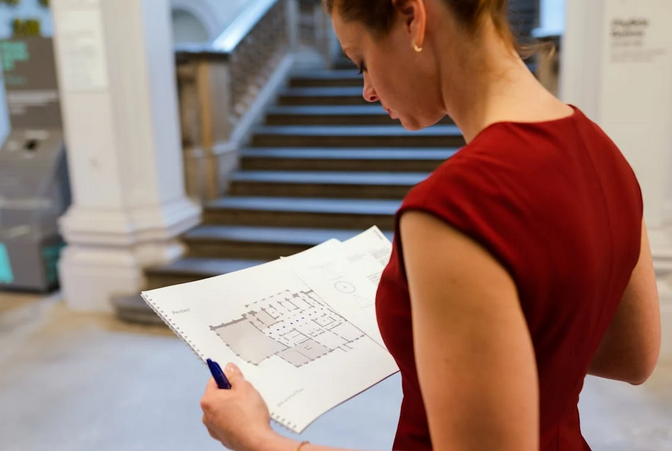






 When searching for the right architect, experience is key. An architect with years in the field brings valuable insights that can enhance your project. They’ve navigated various challenges and developed solutions that a newcomer might not anticipate. Specialization also matters. Some architects focus on residential buildings, while others may excel in commercial spaces or sustainable design.
 Effective communication is the backbone of any successful architectural project. An architect should convey ideas clearly and listen actively to your vision and concerns. Look for someone who encourages open dialogue. They should be approachable, making it easy for you to ask questions or share thoughts throughout the process. Regular updates are crucial as well. An architect who keeps you informed about progress, challenges, and changes helps build trust and ensures that everyone is on the same page.

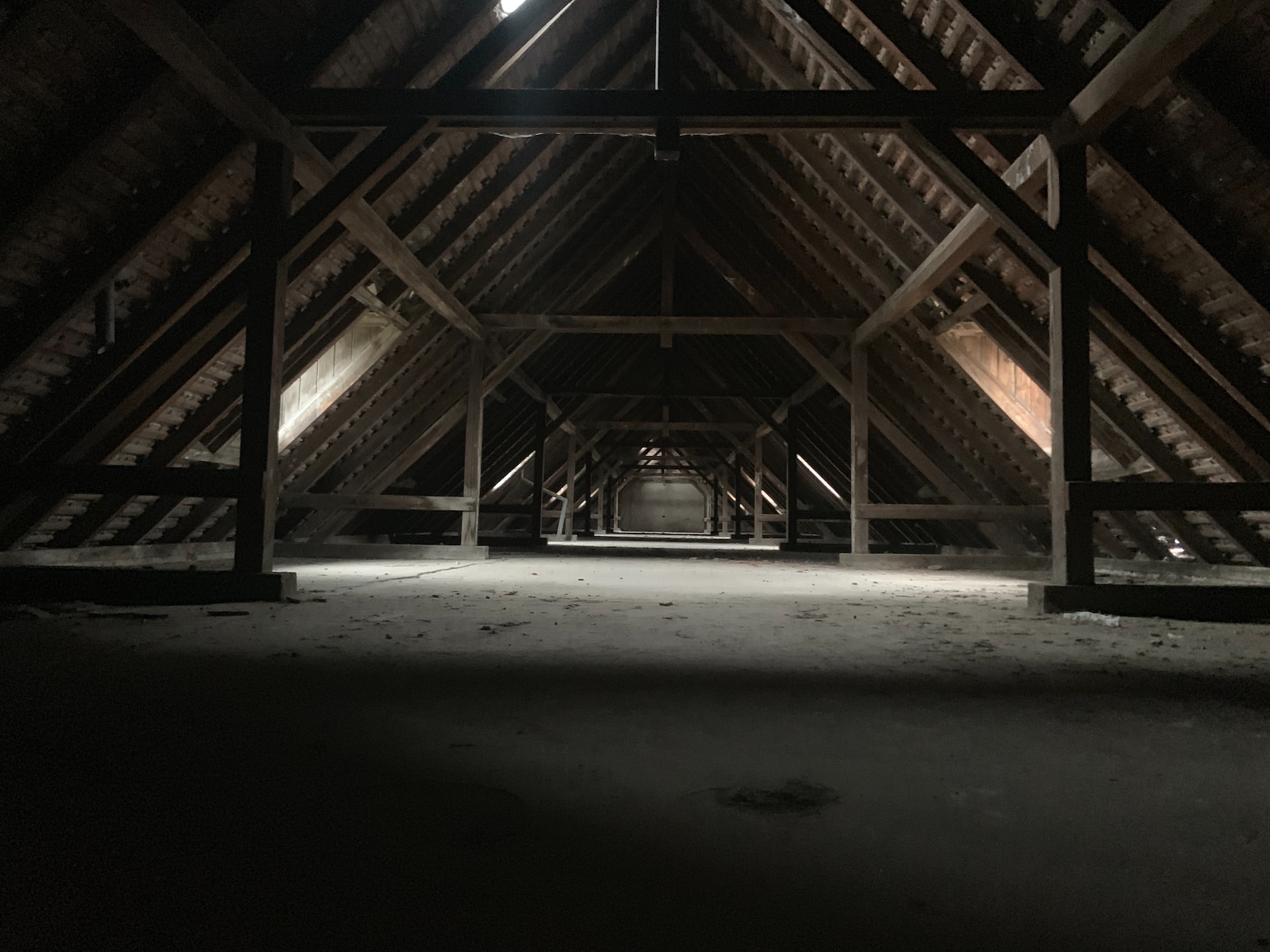
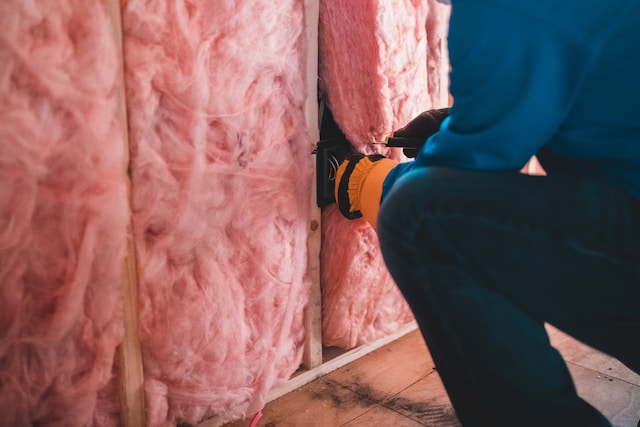
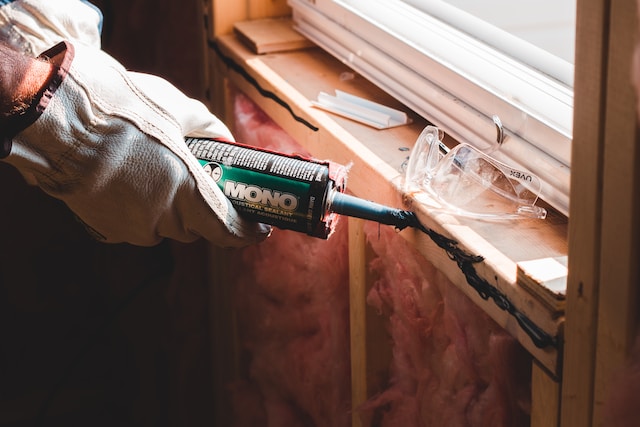
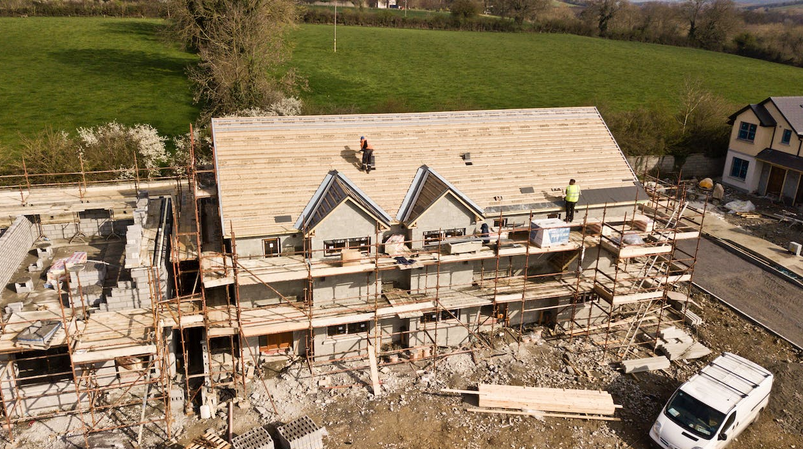





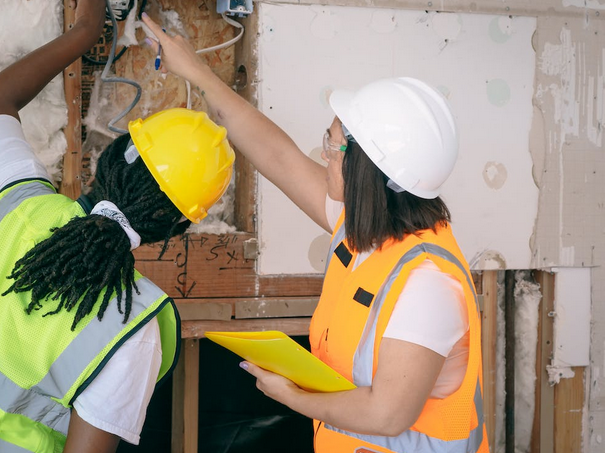
 Pest control is an often-overlooked aspect of home maintenance. Many homeowners tend to ignore the presence of pests until it’s too late, and they’ve already caused significant damage to their property. Pests such as rodents, termites, cockroaches, and ants can invade your home undetected and cause havoc if not dealt with in time. One way to prevent pest infestations is by sealing all entry points into your home. This includes cracks in walls or floors, gaps around doors or windows, and holes in the roof. Keep food containers tightly sealed tightly and regularly remove garbage to avoid attracting pests.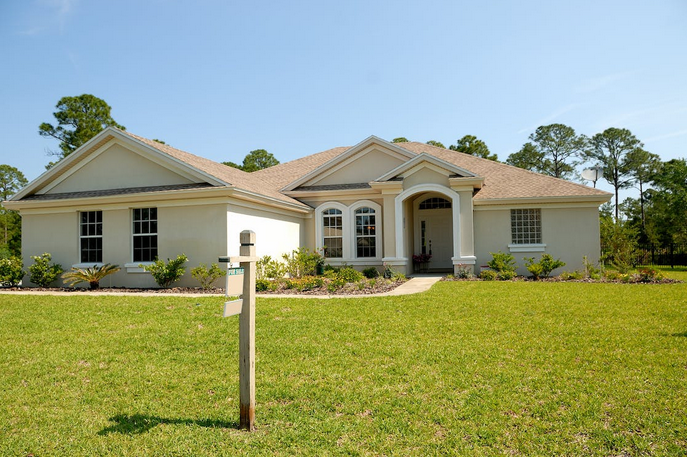
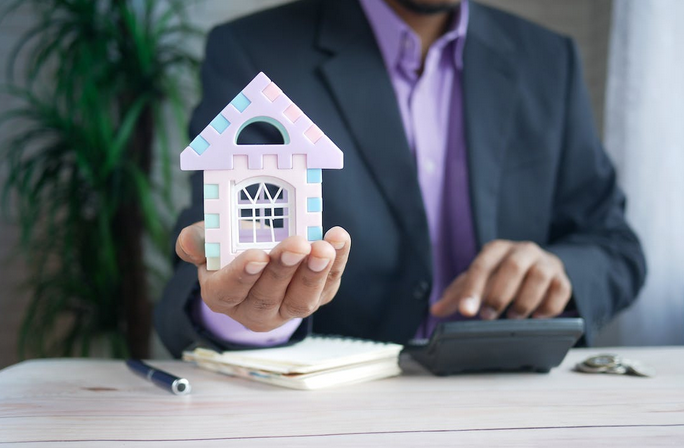 Yes, most of the time, homeowners feel like they’ve done much to the house, thinking it should be priced much higher. Unfortunately, this is not the case. If it’s overpriced, your home won’t get any serious buyers, and the sale will take longer than expected. To prevent this from happening, you can use tools such as a CMA (Competitive Market Analysis) to compare the prices of similar homes in your area to help get your price right.
 Even if we think we’ve done everything right in the sale of our homes, sometimes the market isn’t ready for it. As such, you can’t really do anything about it but wait until the market picks up again. However, there are things that you can do to make sure your home is in its best condition so buyers will be more likely to bid on it once the market starts to move again. For example, you can sell it to an investor or offer incentives to buyers such as reduced closing costs, making repairs before the sale, and providing a home warranty.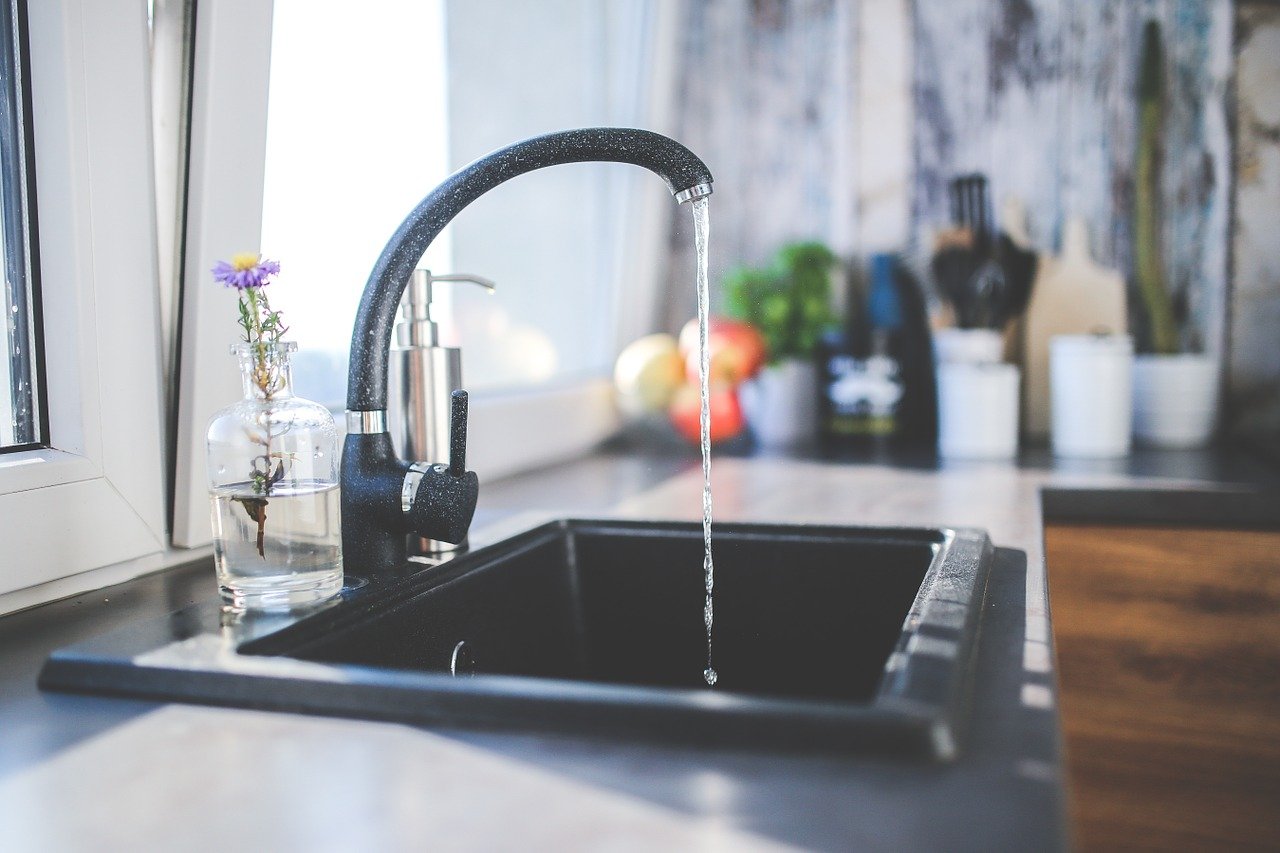

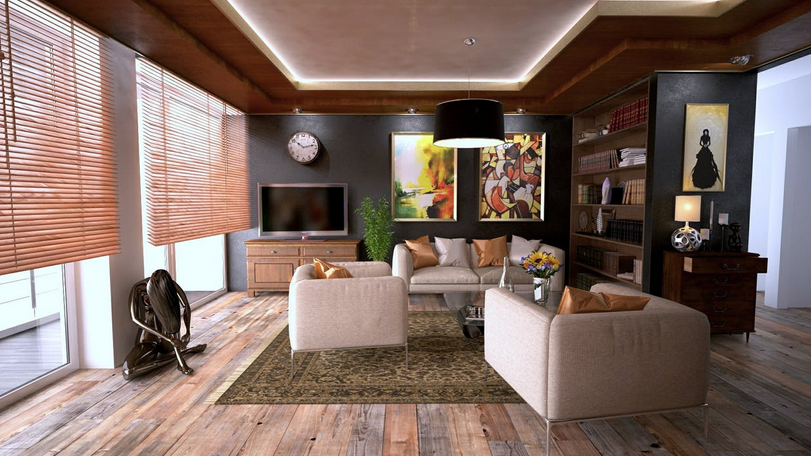
 One of the first things you should install in your new home is a hot water system. This is essential for any household, and it will make your life a lot easier. There are many different types of hot water systems on the market, so be sure to do your research before making a purchase. There are places in which hot waters are very popular.
  The last thing to install in your home is home security systems. Installing a home security system is one of the best things you can do for your new home. A home security system will deter burglars and give you peace of mind. There are many different types of home security systems on the market, so be sure to find one that meets your needs. You can even get home security systems that a professional company monitors. This is a great option if you want the added security of knowing someone is keeping an eye on your home.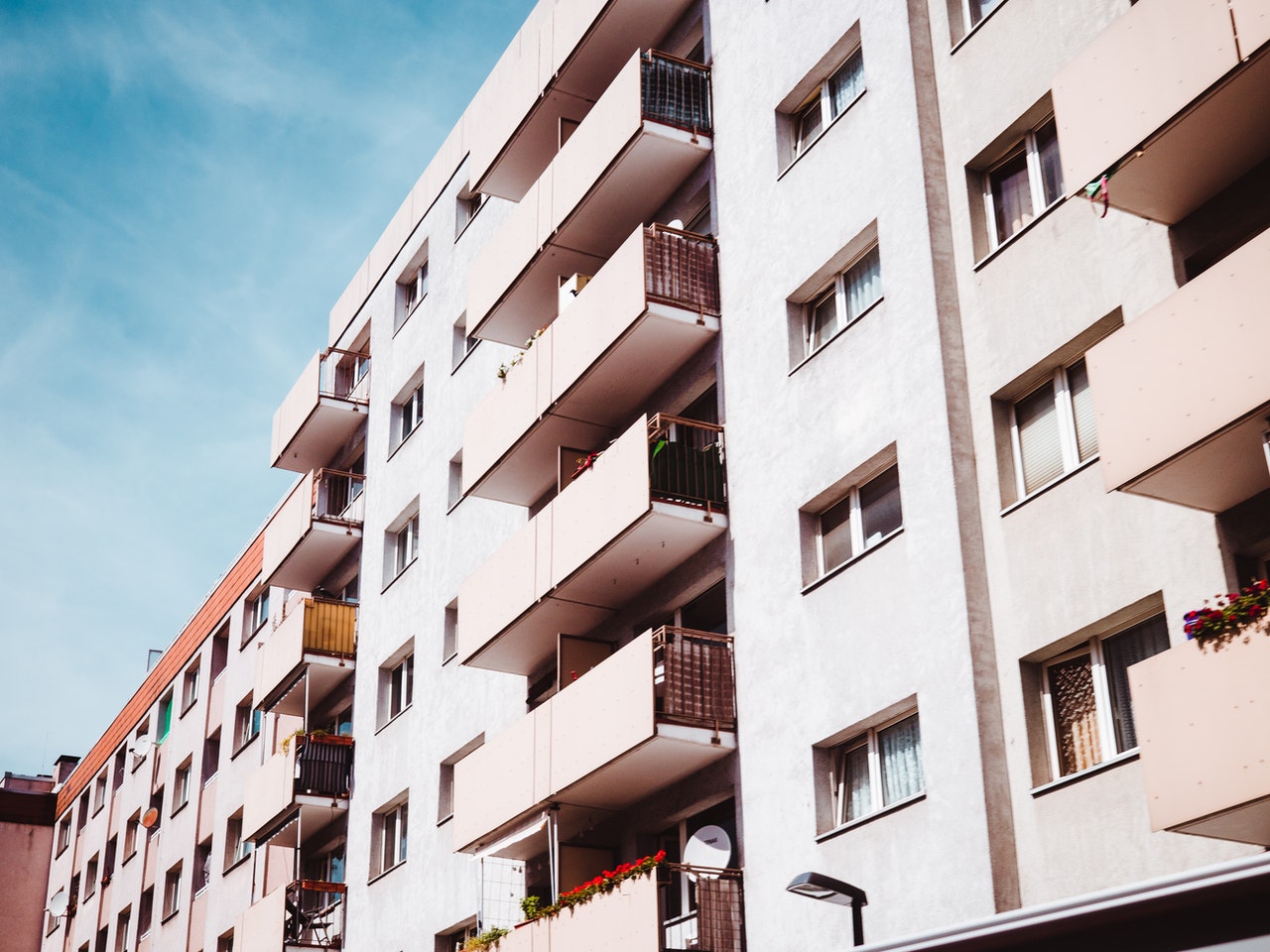
 One of the main benefits of investing in pre-construction condos is the extended deposit structure. Unlike purchasing an existing home, where you are required to pay a large down payment upfront, with pre-construction condos, you can spread your deposits out throughout the construction process. This makes it much easier to come up with the necessary funds, and it also gives you more time to save. In addition, the deposit structure for pre-construction condos is often much more flexible than that of an existing home.
 Investing in pre-construction condos is also a great way to get a brand-new home. When you purchase an existing home, you are often stuck with whatever features and amenities it already has. With a pre-construction condo, you can choose the specific unit that you want and customize it to your liking. It means that you can have exactly the home that you have always wanted without having to settle for something less than perfect.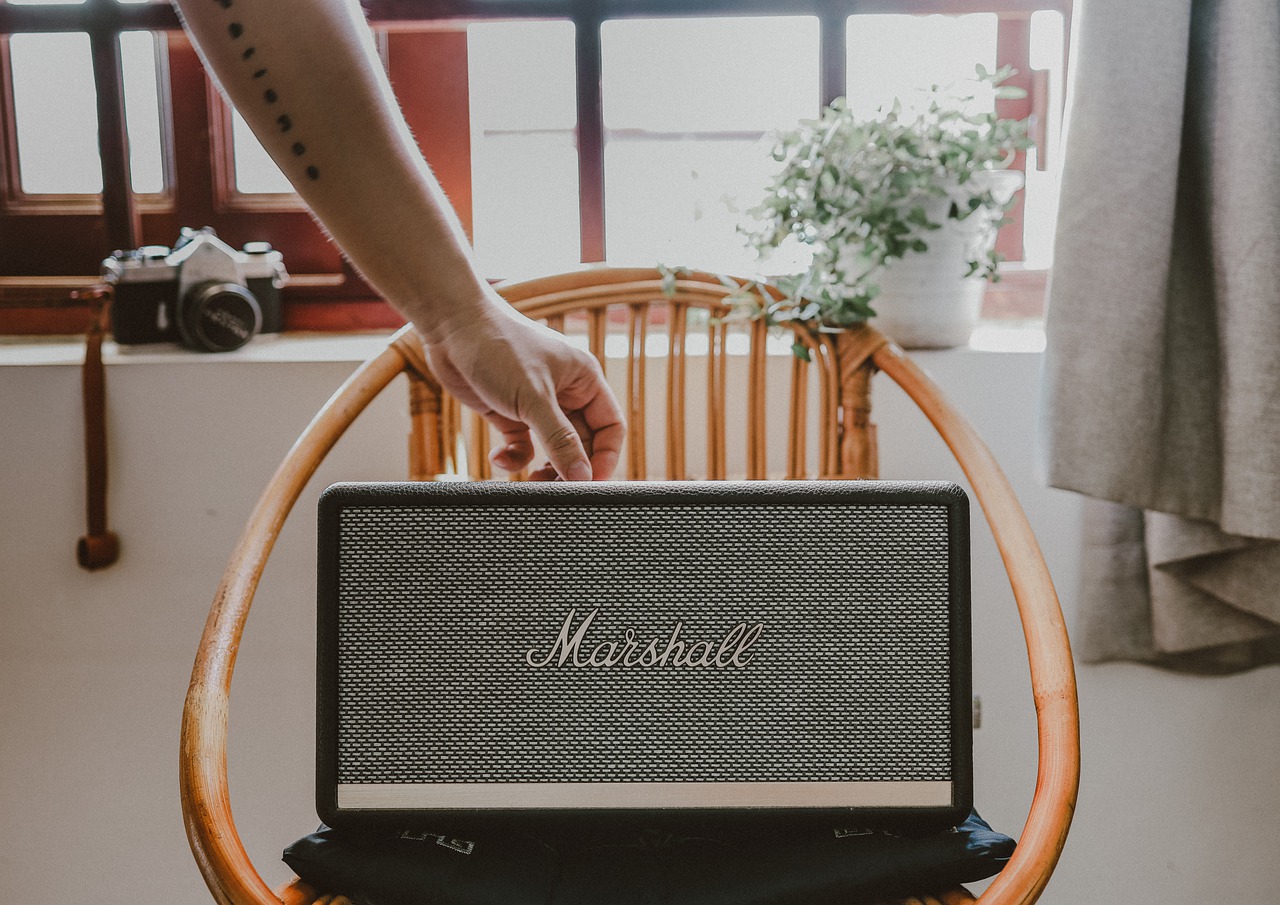
 One of the most obvious ways to make your home more musical is to play
  Hanging a mirror opposite the door is another excellent way to make your home more musical. Mirrors reflect sound, so they can help to amplify the music in your home and make the room feel larger. This is an excellent tip if you have a small room that you want to make appear more significant.