Tiny Yard Hacks: Layout Ideas That Make a Small Garden Feel Bigger
Small yards can feel cramped fast, but the right layout moves can stretch the space more than you’d think. Even tiny townhouse gardens can feel roomy with a few clever choices. If you want extra visuals to spark creativity, see examples in this guide without overthinking the process. Let’s jump into ideas that actually work in tight outdoor spaces.
Zoned Sections That Break up the Space
Dividing a small garden into zones sounds backwards, but it tricks the eye into sensing depth. You could create a petite seating nook, a slim planting strip, and a corner spot for herbs. Each section feels purposeful, so the yard appears intentional instead of cramped. It’s like arranging furniture in a studio apartment to make it feel larger. Use changes in texture to separate areas. Think gravel paired with pavers or bark next to brick. These shifts guide movement and give the yard a quiet rhythm.
Diagonal Pathways for Stretching the Visual Line
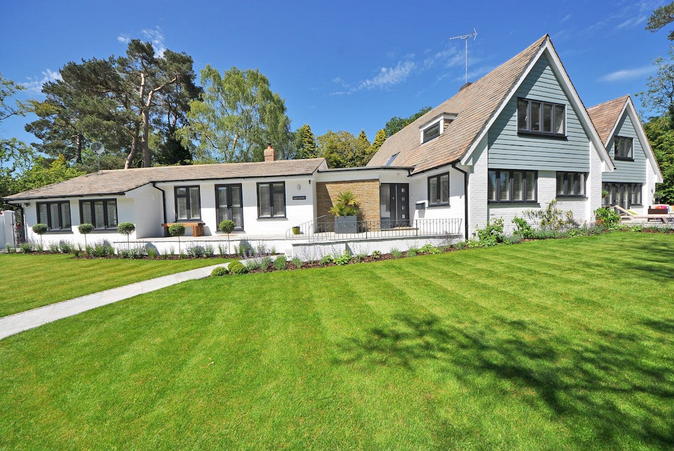
A pathway set on a diagonal line makes the yard feel longer. It draws the eye across the space instead of straight through it. That one small angle creates an illusion of a wider footprint. You don’t need a fancy material—simple stepping stones work. Keep the path narrow to avoid overpowering the yard. A slim trail feels casual yet intentional. Border it with low plants that won’t swallow the stones. This trick works especially well in townhouse gardens, where space is precious.
Mirrors and Reflective Surfaces for Extended Depth
Mirrors aren’t just for entryways. A weather-safe mirror tucked behind a plant cluster bounces light and doubles the sense of space. It turns a cramped corner into something brighter. Just place it where it won’t reflect something awkward, like the trash bin. Reflective planters work too. They add a little sparkle without being overwhelming. These surfaces help soften hard edges that small yards often have. Use them sparingly so the effect feels natural, not like a hall of mirrors.
Vertical Structures That Pull the View Upward
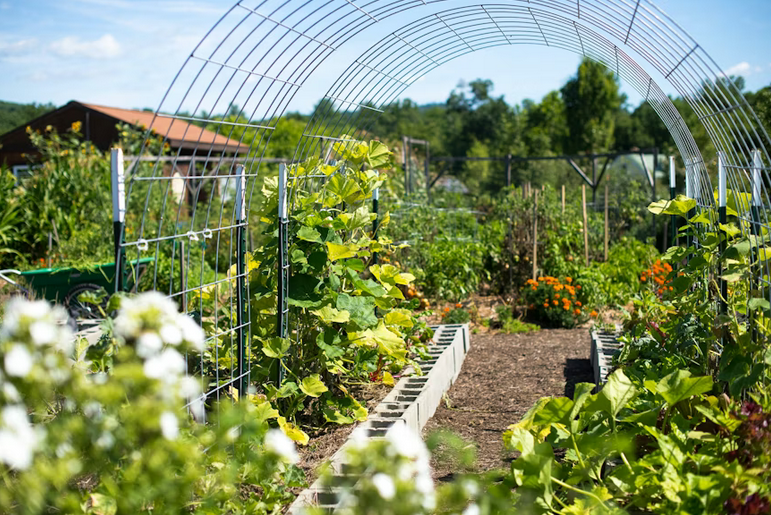
When you can’t build out, build up. A trellis, wall-mounted planters, or slim shelving gives the garden extra height. These features redirect attention upward, which adds a sense of openness. Even a short fence covered in greenery can make a difference. Vertical additions also free up the ground for movement. You can keep footpaths open and still have plenty of plants. Choose lightweight materials that won’t feel heavy in a compact space. This approach often surprises visitors who expect everything to feel tight.
Curved Beds That Ease Harsh Lines
Sharp corners make tiny yards feel boxed in. Soft curves expand the visual flow and make the garden feel calmer. Curved beds create movement and soften the boundaries. They also blend better with mixed plant heights. You don’t need a perfect curve. Even a gentle arc adds charm.
Keep the edges tidy so the shape stays crisp. This small shift can transform how people walk through your garden. A tight yard doesn’t need to feel like a shoebox. With a bit of creativity and some simple layout choices, you can stretch the space and give it character. Try one hack at a time and adjust until the garden feels like a place you actually want to linger.…




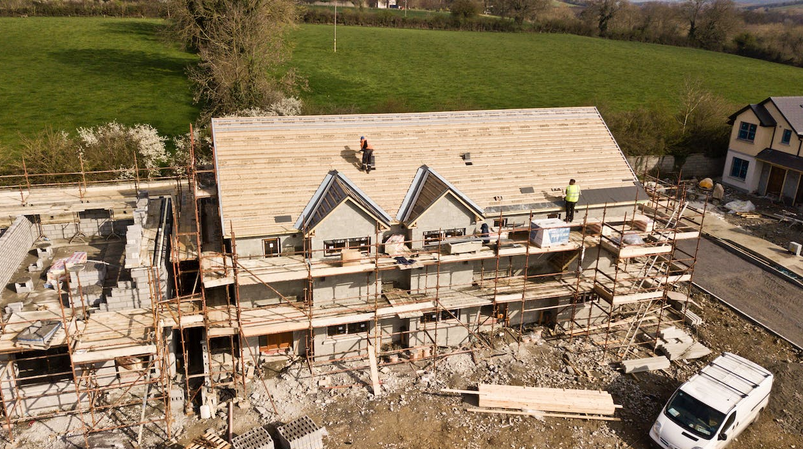



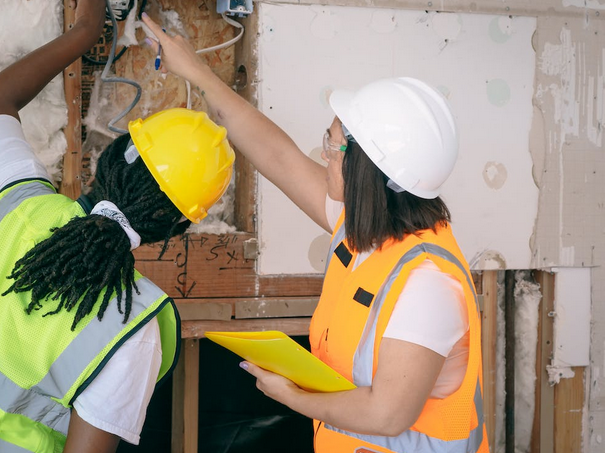
 Pest control is an often-overlooked aspect of home maintenance. Many homeowners tend to ignore the presence of pests until it’s too late, and they’ve already caused significant damage to their property. Pests such as rodents, termites, cockroaches, and ants can invade your home undetected and cause havoc if not dealt with in time. One way to prevent pest infestations is by sealing all entry points into your home. This includes cracks in walls or floors, gaps around doors or windows, and holes in the roof. Keep food containers tightly sealed tightly and regularly remove garbage to avoid attracting pests.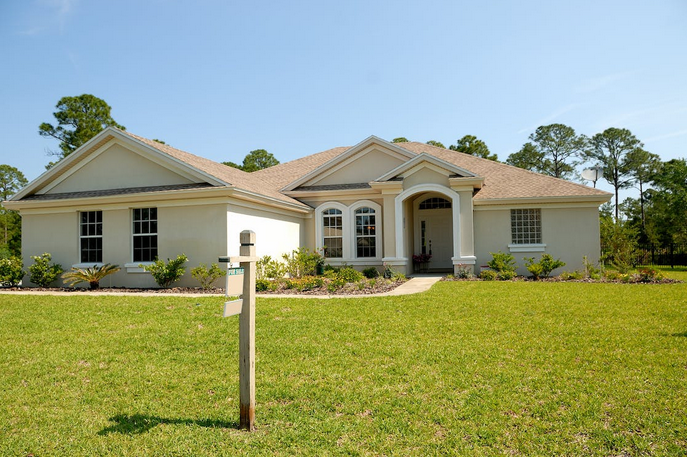
 Yes, most of the time, homeowners feel like they’ve done much to the house, thinking it should be priced much higher. Unfortunately, this is not the case. If it’s overpriced, your home won’t get any serious buyers, and the sale will take longer than expected. To prevent this from happening, you can use tools such as a CMA (Competitive Market Analysis) to compare the prices of similar homes in your area to help get your price right.
 Even if we think we’ve done everything right in the sale of our homes, sometimes the market isn’t ready for it. As such, you can’t really do anything about it but wait until the market picks up again. However, there are things that you can do to make sure your home is in its best condition so buyers will be more likely to bid on it once the market starts to move again. For example, you can sell it to an investor or offer incentives to buyers such as reduced closing costs, making repairs before the sale, and providing a home warranty.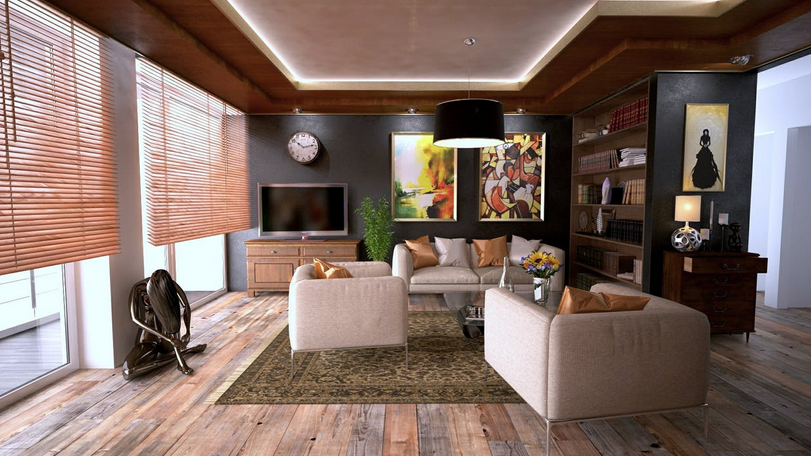
 One of the first things you should install in your new home is a hot water system. This is essential for any household, and it will make your life a lot easier. There are many different types of hot water systems on the market, so be sure to do your research before making a purchase. There are places in which hot waters are very popular.
 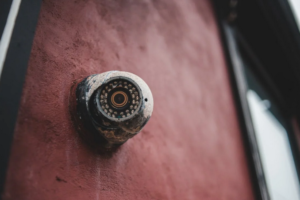 The last thing to install in your home is home security systems. Installing a home security system is one of the best things you can do for your new home. A home security system will deter burglars and give you peace of mind. There are many different types of home security systems on the market, so be sure to find one that meets your needs. You can even get home security systems that a professional company monitors. This is a great option if you want the added security of knowing someone is keeping an eye on your home.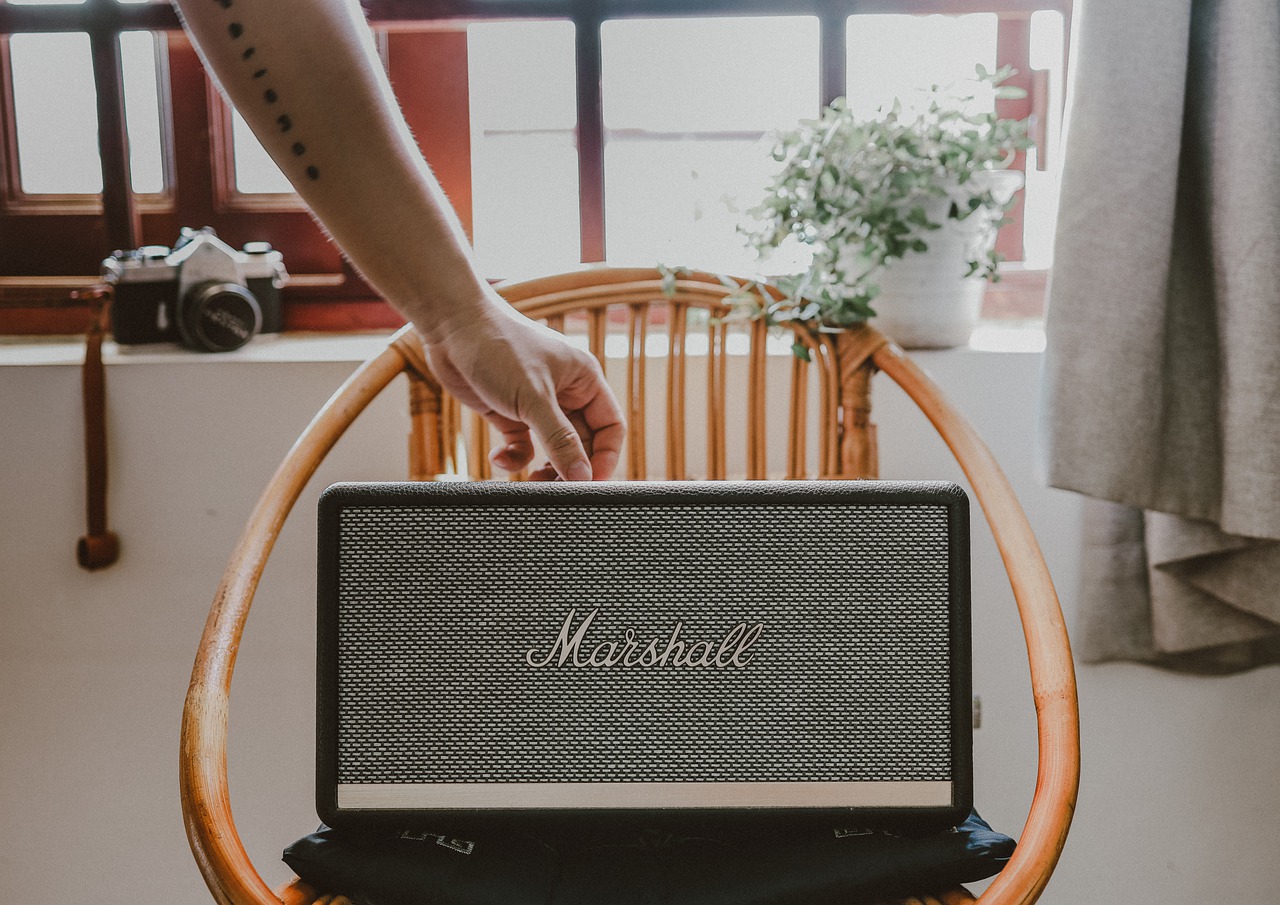
 One of the most obvious ways to make your home more musical is to play
 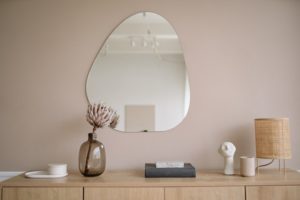 Hanging a mirror opposite the door is another excellent way to make your home more musical. Mirrors reflect sound, so they can help to amplify the music in your home and make the room feel larger. This is an excellent tip if you have a small room that you want to make appear more significant.