Using Wood, Linen, and Iron: Layering Materials in Farmhouse Decor
Farmhouse decor is all about comfort, texture, and practicality. It blends old and new in a way that feels both grounded and personal. What really gives this style its depth isn’t just the furniture or the color palette it’s the materials. Specifically, the layered use of wood, linen, and iron. These three elements, when balanced well, create that cozy yet lived-in atmosphere farmhouse lovers seek. Each material brings its own character. Together, they form a space that feels whole and welcoming, offering plenty of charming farmhouse decor ideas for apartments.
Wood Sets the Foundation
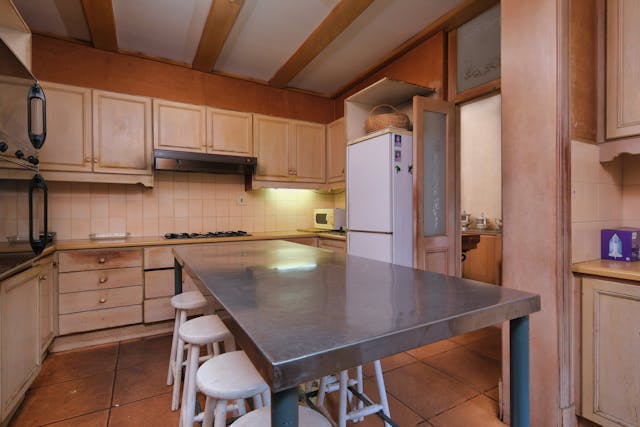
Wood is the anchor of farmhouse design. It brings warmth, age, and natural beauty to any room. It doesn’t need to be polished or perfect. The charm often lies in the imperfections nicks, grain patterns, and uneven coloring. Whether it’s a reclaimed table, exposed beams, or a simple shelf, wood adds a grounding presence. In smaller spaces, light-stained or weathered wood works best. It brightens the room while keeping the rustic vibe intact.
Linen Softens the Look
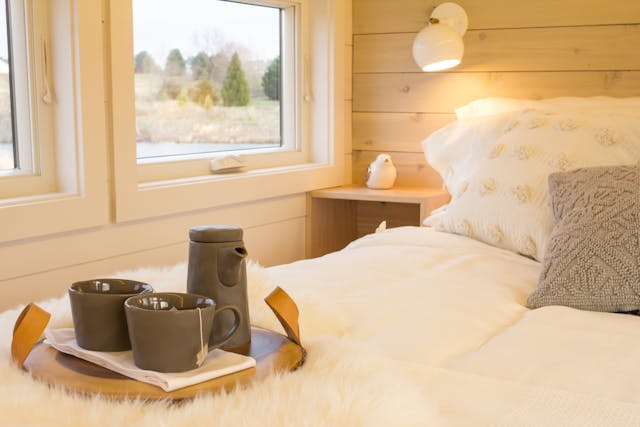
If wood grounds the room, linen softens it. Linen is breathable, textured, and unfussy. It complements the raw nature of wood without competing for attention. You’ll see it in curtains, throw pillows, table runners, and bedding. Neutral tones like ivory, stone, or pale gray fit easily into the farmhouse color story. Even when wrinkled, linen looks intentional, never sloppy. It gives spaces a relaxed feel without losing style.
Iron Adds Strength and Contrast
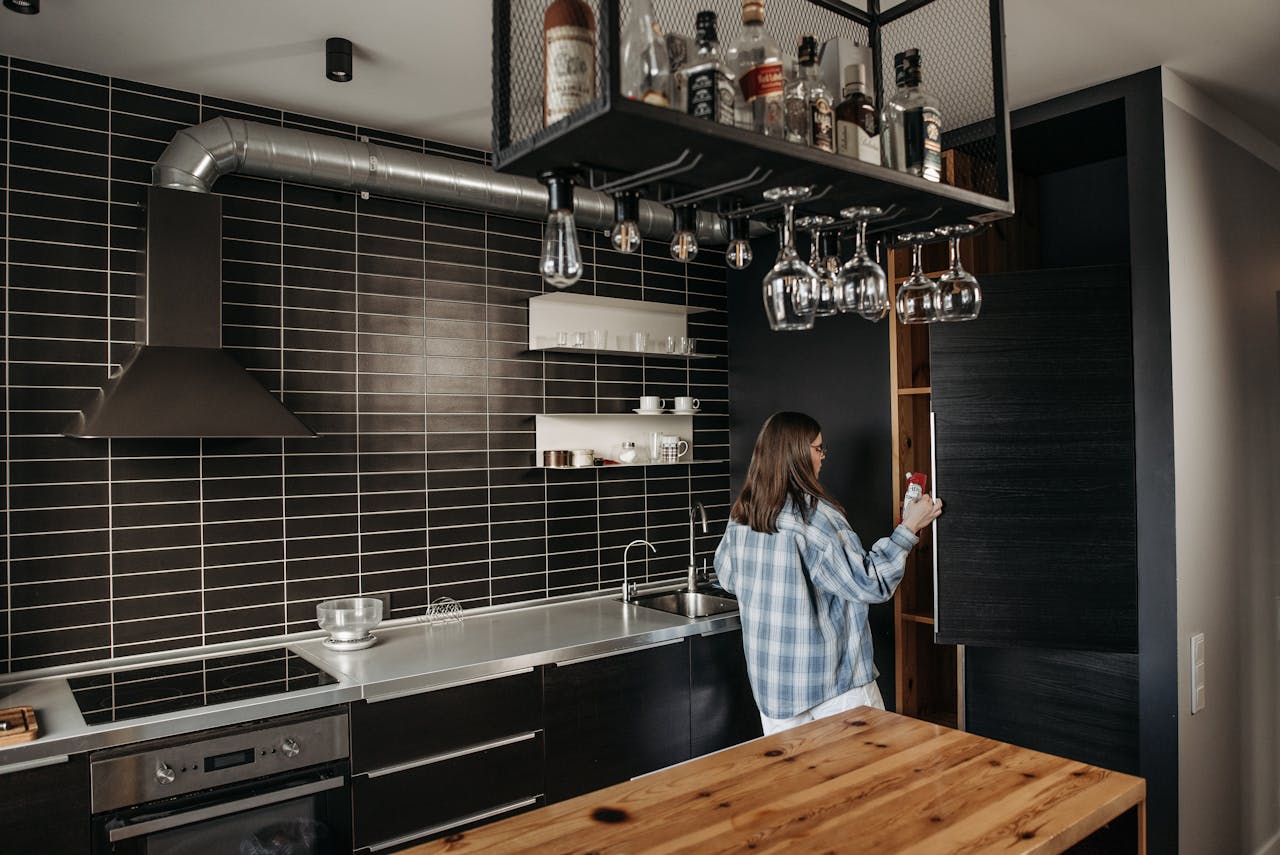
Iron finishes the trio. It gives farmhouse spaces a subtle industrial edge. You’ll find it in light fixtures, cabinet hardware, furniture legs, and wall hooks. Iron offers clean lines and structure. It contrasts beautifully with the softness of linen and the grain of wood. Matte black and antique finishes work especially well. These pieces don’t have to be large. Even a small iron detail can help tie the look together. Used sparingly, it adds just enough weight to the design.
Combine Without Overdoing
The secret to using these materials together is balance. You don’t want any one element to overpower the rest. Too much wood can feel heavy. Too much linen might start to look washed out. Iron, if overused, turns cold. The goal is harmony. Start with one dominant material, then build around it. A wooden table might be paired with linen-covered chairs and a black iron pendant. The mix should feel layered, not cluttered.
Let Texture Lead
What makes this material trio special is texture. Each one interacts with light and space differently. Wood absorbs warmth. Linen diffuses it. Iron reflects it in a more muted way. Let texture guide your choices. A smooth iron bar cart next to a raw wood cabinet. A wrinkled linen throw across a firm bench. These contrasts are subtle but powerful. They make the room feel thought-out and comfortable.
Use in Unexpected Places
It’s easy to stick with these materials in obvious areas tables, beds, or shelves. But you can use them in less expected ways too. Frame art with wood. Wrap gifts in linen scraps. Hang iron hooks inside cabinets for keys or tools. These details add richness without crowding your space. They also help create a cohesive look throughout your home. Even small pieces can play a big role in defining the overall style.
Make It Your Own
Farmhouse decor doesn’t follow strict rules. It adapts to different homes and personalities. Layering wood, linen, and iron gives you room to personalize. Maybe you mix different wood tones. Maybe you go heavy on iron in the kitchen but lean into linen in the bedroom. The key is to choose pieces that speak to you. The style works best when it feels natural, not forced. That’s what makes it unique.
In Conclusion
You don’t need a large space or a complete remodel to start layering materials. Add a linen curtain panel. Swap out a cabinet handle for one in iron. Bring in a simple wooden stool. These changes are small but make a real impact. They’re also flexible. If your taste evolves, the materials are easy to move, update, or replace. By layering wood, linen, and iron, you create more than just a visual style.